On the grounds of “protection of Russian citizens”, the Russian Government announced on Tuesday this week a restriction on visits to Telegram and accused the application of refusing to block what the authorities considered “crime and terrorism”. This is part of the Russian Government ‘ s continued drive for the general Russian population to switch to alternatives to foreign technology platforms under its strict control.
In a statement, Roskomnadzor, the Russian telecommunications regulatory agency, stated that it would continue to restrict the operation of Telegram “until it eliminates violations of Russian law”. It stated: “Personal data are not protected and there is a lack of effective measures to combat fraud and the use of this information service for criminal and terrorist purposes. Telegram denied this allegation, stating that it was actively combating harmful use on the platform. According to the Russian State News Agency Tas, Telegram faces a fine of 64 million roubles (approximately $8297 million) for allegedly refusing to remove prohibited content from its platform and failing to monitor itself. With the restrictions on Telegram coming into effect on Tuesday this week, according to Downdetector, a digital services tracking website, more than 11,000 complaints were received within the last 24 hours. Users across Russia reported large-scale service interruptions, with thousands of people reflecting the inoperable or slow speed of the instant communication applications.
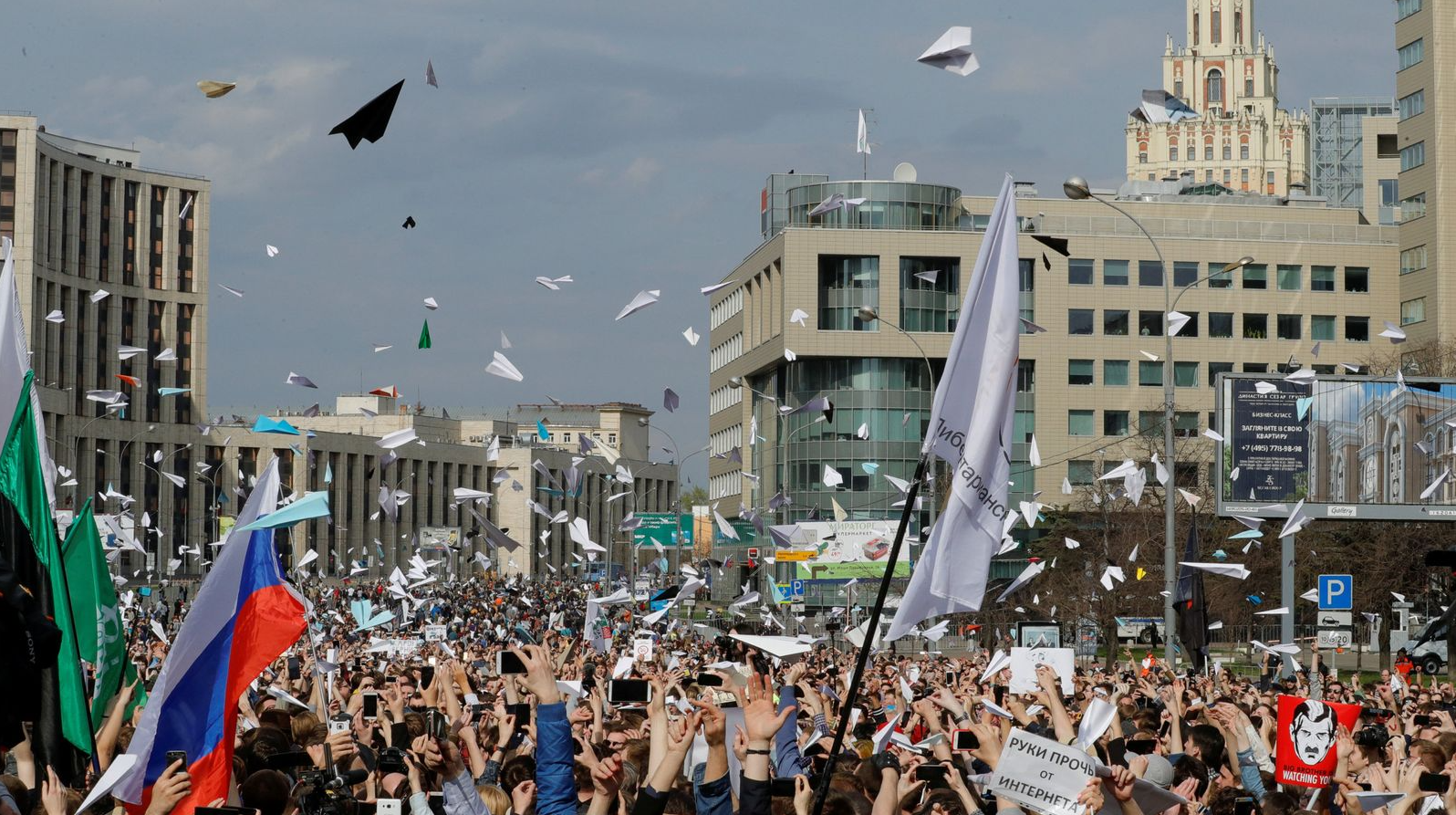
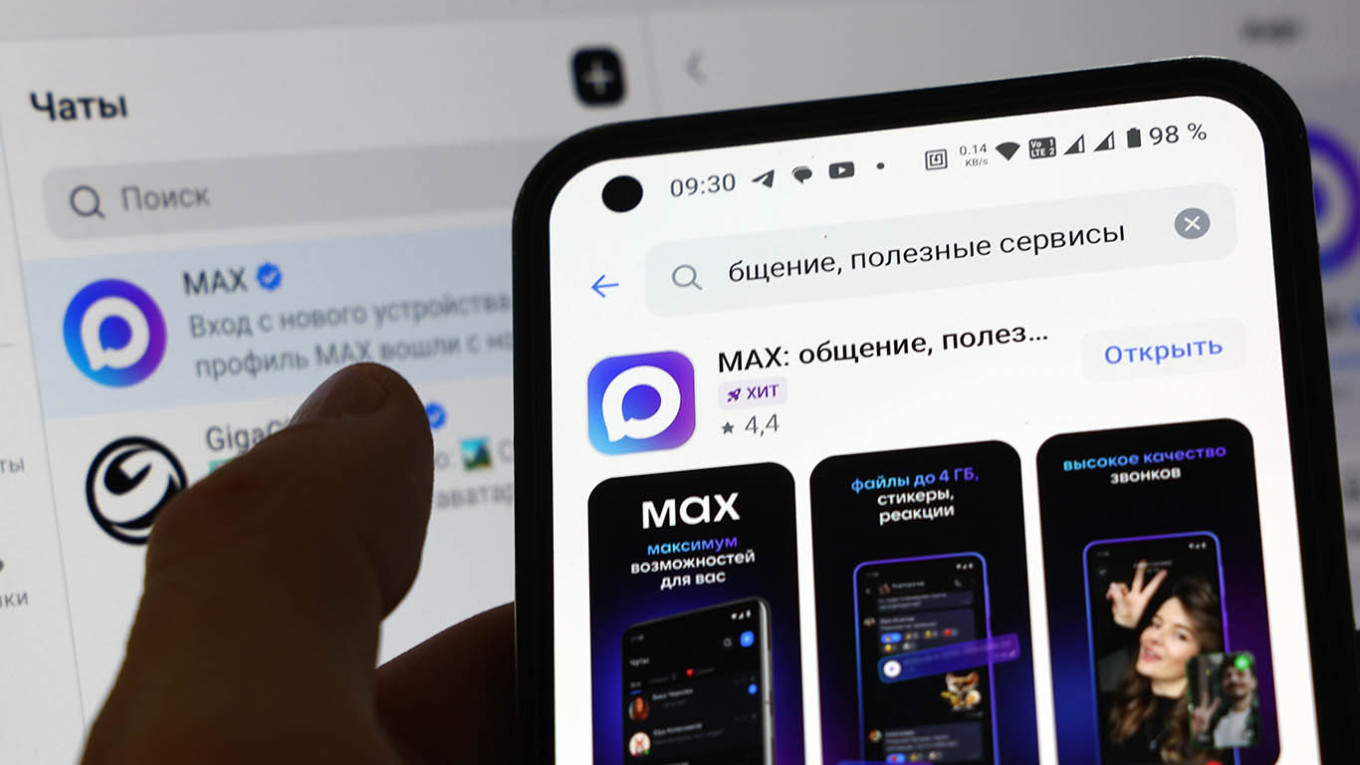
Telegram was the target of a Russian review that was remarkable: The application has millions of users in Russia, including the military, high-ranking public officials, official media outlets and government departments such as the Kremlin and Roskomnadzor itself. In a statement on Tuesday, Telegram founder Pavel Dorov stated that Russia’s attempts to restrict Telegram would fail and wrote: “Telegram insists on freedom of expression and privacy, no matter what the pressure. The Russian restrictions on Telegram ‘ s visits were an attempt to force citizens to turn to State-owned applications constructed for surveillance and political censorship. Eight years ago, Iran tried the same strategy to fail. They blocked Telegram under false pretexts, forcing users to turn to government-operated alternatives.” The Russian Government has now requested that Max applications be pre-positioned on all new smartphones and peace boards sold in Russia. Max users can communicate, transfer and make audio and video calls. It is quite dramatic that the Max application was developed by VKontakte, while Pavel Dorov was the founder of VK, who sold the company ‘ s shares and left Russia in 2014.
This is not the first time that Russia has targeted Telegram. According to CNN, the United States Commission on Foreign Relations had claimed that Russia ‘ s efforts to separate its citizens from external applications date back 10 years. Russia tried to ban Telegram in 2018. Most recently, in August last year, Roskomnadzor announced partial restrictions on Telegram and WhatsApp ‘ s call functions, claiming that these services were used for fraud, extortion, sabotage and terrorist activities.