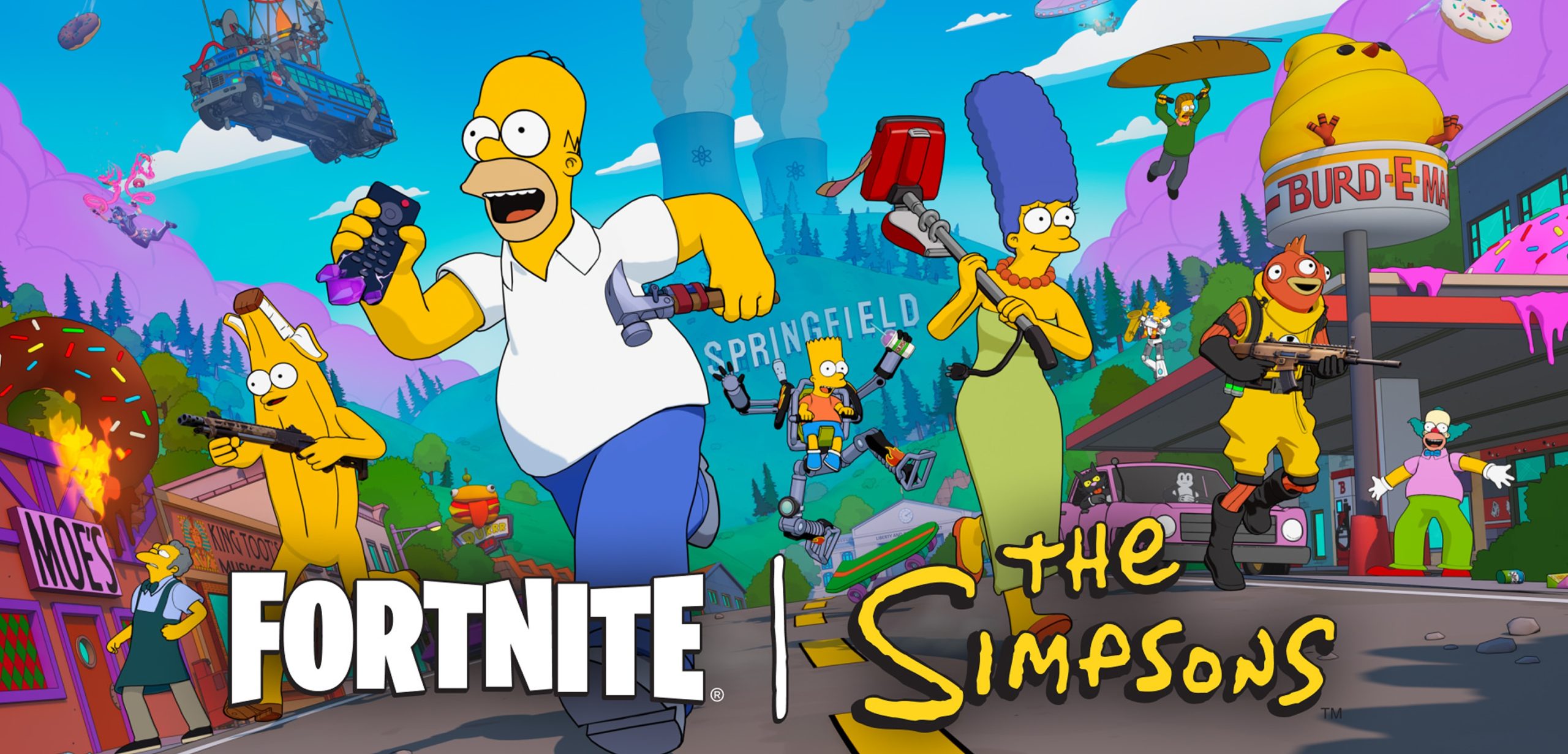
Despite the recent total ban on the gold game in India, its digital ecology is developing at an unprecedented rate. According to the Indian Play and Interactive Media Industry Report 2025, published jointly by Bitkraft Ventures and Redseer Strategy Consultants, the overall size of the game and interactive media industry in India is expected to surge to $7.7 billion by 2030.
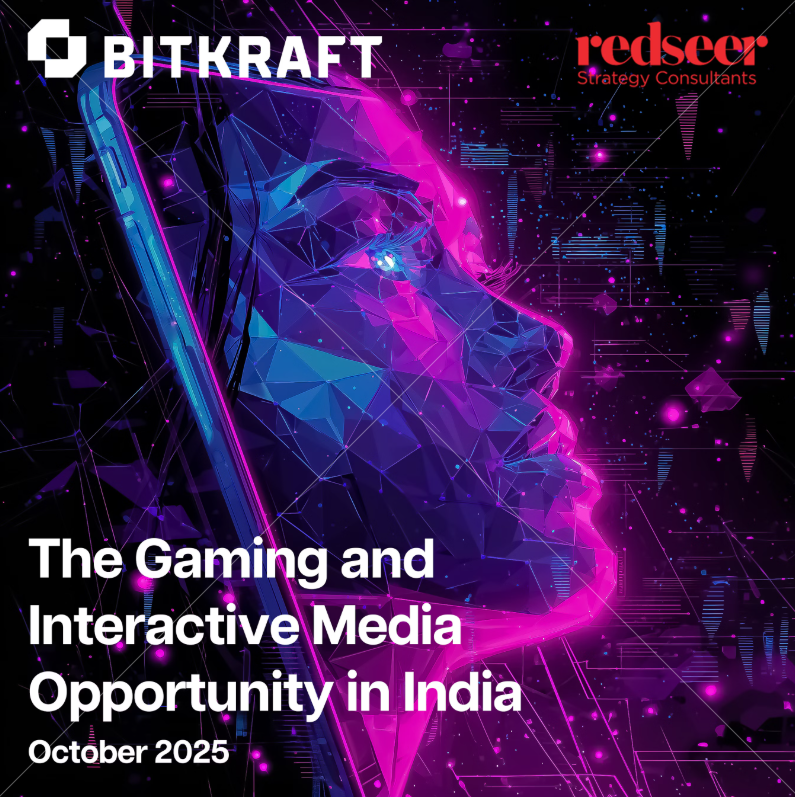
The digital game market has doubled, and the electric circuit has expanded.The report states that the digital game market in India will nearly double its growth in the next five years, from its current level to $4.5 billion. Of these, electronic competition will be one of the fastest growing sub-areas, with market sizes projected to triple from current levels to $120 million. This rapid development has benefited from policy-supported market openings, a growing system of competitions, increased brand sponsorship and a high level of participation by young players.
It is worth noting that the big run-off game continues to be a major source of income for the Indian market, but the industry-wide profitability model is undergoing a profound shift — from reliance on advertising to a business model with application-based purchases at its core. It is expected that within the next five years, the revenue from in-service purchases will grow sixfold, becoming a key engine of growth in the sector. Mixed leisure game rises, localized content becomes the core driverWith regard to the type of game, the “mixed leisure game” with a light threshold and a long-term deep play is rapidly becoming the market mainstream. This type of game combines the progress system and meta-play mechanism of the recreational and medium core game, which effectively enhances user retention and willingness to pay.

The core driving force for this trend has come from players in India’s second- and third-line cities and small towns. India has 500 million social media users and 455 million digital traders, 70 per cent of whom come from second-line cities and above. Their growing demand for local language content, cultural-related narratives and community-driven game experiences has prompted developers to accelerate localization. The report emphasizes that this “bottom-up” demand is reshaping the design logic and distribution strategy of Indian game products. Interactive media defections: astrologer, microbes lead the wayIn addition to the traditional areas of play, the interactive media segments are equally bright. The sub-market is expected to surge from $440 million in the 2025 fiscal year to $3.2 billion in the 2030 fiscal year, an increase of more than six times. Of these, two new and emerging tracks stand out: Astrology and Religious Science and Technology: an interactive service that integrates traditional cultures and digital technologies, which is expected to reach $1.3 billion by 2030; and MicroSphere: a mobile interactive narrative based on the development of a short video platform, with a potential market volume of $1.1 billion, based on high levels of immersion and fragmentation consumption.

These innovative forms not only enrich the digital entertainment ecology of India, but also open an entirely new commercial path for content creators and platforms. AI Enabling Indigenous Development, Indian Game Towards GlobalThe application of Artificial Intelligence (AI) technologies was also seen as a key driver of the industry ‘ s downside efficiency. The report states that AI will significantly reduce production costs and accelerate the incubation of home-grown IPs at various stages of game development, local translation, user behaviour analysis and content generation. This provides an unprecedented development opportunity for small and medium-sized play studios in India. “It is exciting to see the Indian game industry entering a phase of sustained growth.” Bitkraft Ventures, Anuj Tandon, a partner of India and the United Arab Emirates, said, “The local developers are creating innovative and profitable game experiences that are beginning to resonate globally.”

He further noted that the strong growth of leisure games and hybrid core games, the increased participation of super-players, the emergence of original IPs and an increasingly accessible payment infrastructure together form the core pillars of the next stage of development of the Indian play and interactive media industry. Vision 2030: A diverse, localized and globalized digital entertainment powerWith the improved policy environment, the continued increase in mobile Internet penetration and the release of the young demographic dividend, India is moving from a “play-consuming country” to a “play-innovation country”. Although real-money games are still restricted, a diversified business model, centred on application purchasing, subscription services and interactive content, has paved the way for industry to achieve sustainable development. By 2030, a $7.7 billion-class and interactive media market, driven by indigenous culture, technology-enabled, and underpinned by a global vision, will be fully shaped in the South Asian subcontinent — not only as an important milestone in India’s digital economy, but also more likely to reshape global mobile entertainment patterns.