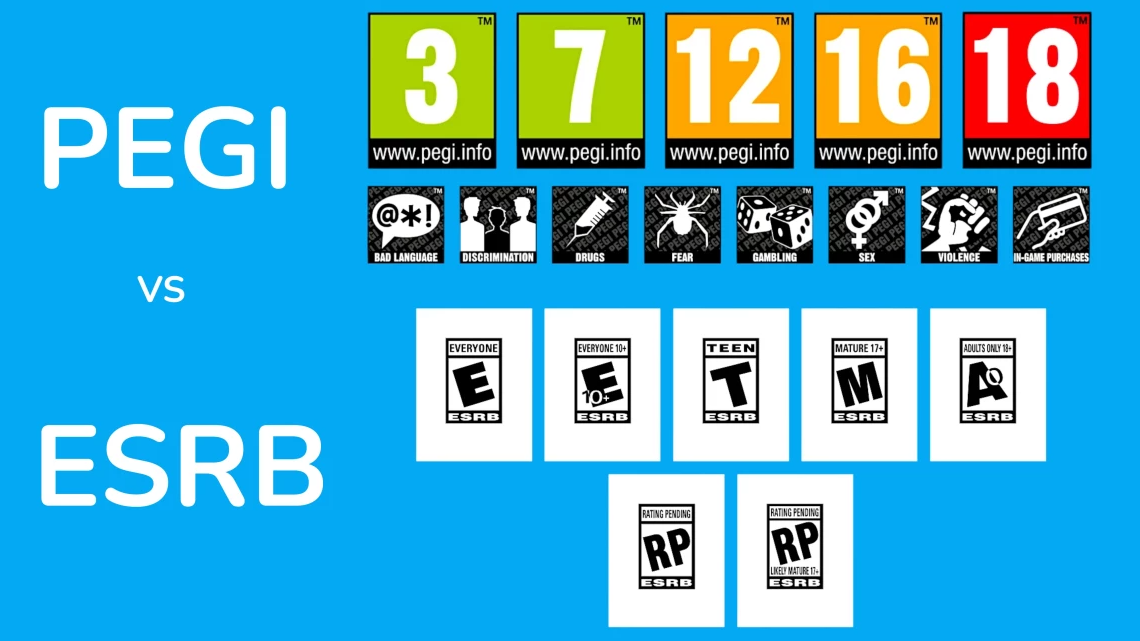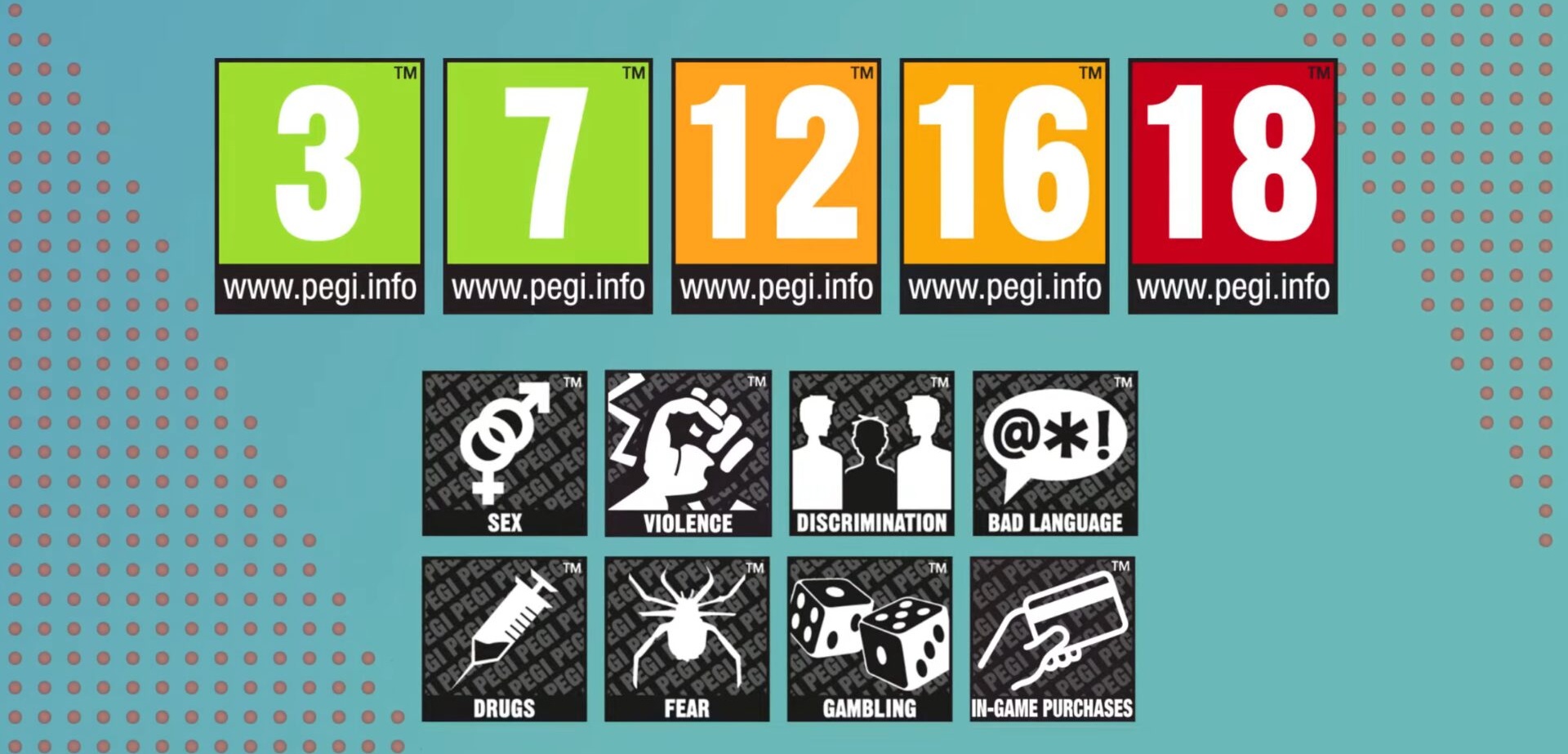
According to the Game Industry magazine, the United States Recreational Software Classification Board (ESRB) indicated that the change in age rating policy announced by the Pan-European Game Information Organization (PEGI) would cause “puzzling” to users.
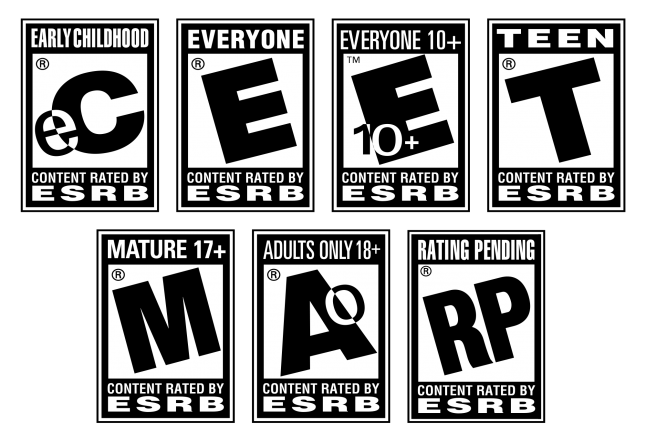
ESRB spokesperson stated that its rating system was “based on the content of the game and its presentation to the player”. The speaker explained: “ESRB research shows that parents wish to be informed in advance about online communication, in-play, etc., but that if non-content-related factors influence the classification of rating categories, this may create confusion. Therefore, there are no plans for ESRB to allow any factor outside the content and background of the game to influence the age rating.” In response, PEGI Director-General Dirk Bosmans said that he “was aware of the concerns raised by ESRB”. He said, “If we add that, will parents lose their message? You do want to tell them about the game and the context. However, when integrating the two into the age rating, care must be taken that it may not be possible to provide such detailed information as previously. This is a difficult task. I fully understand that ESRB can take a different position.”Last week, PEGI announced a major reform of its age rating system, which will come into effect in early June.These include the high value of games that include random items for payment, time-limited or limited-volume preferences, time-ticking mechanisms and unrestricted communication functions. The new rules apply only to games that have submitted hierarchical applications since June, although Bosmans has indicated that he will study how to handle existing games.
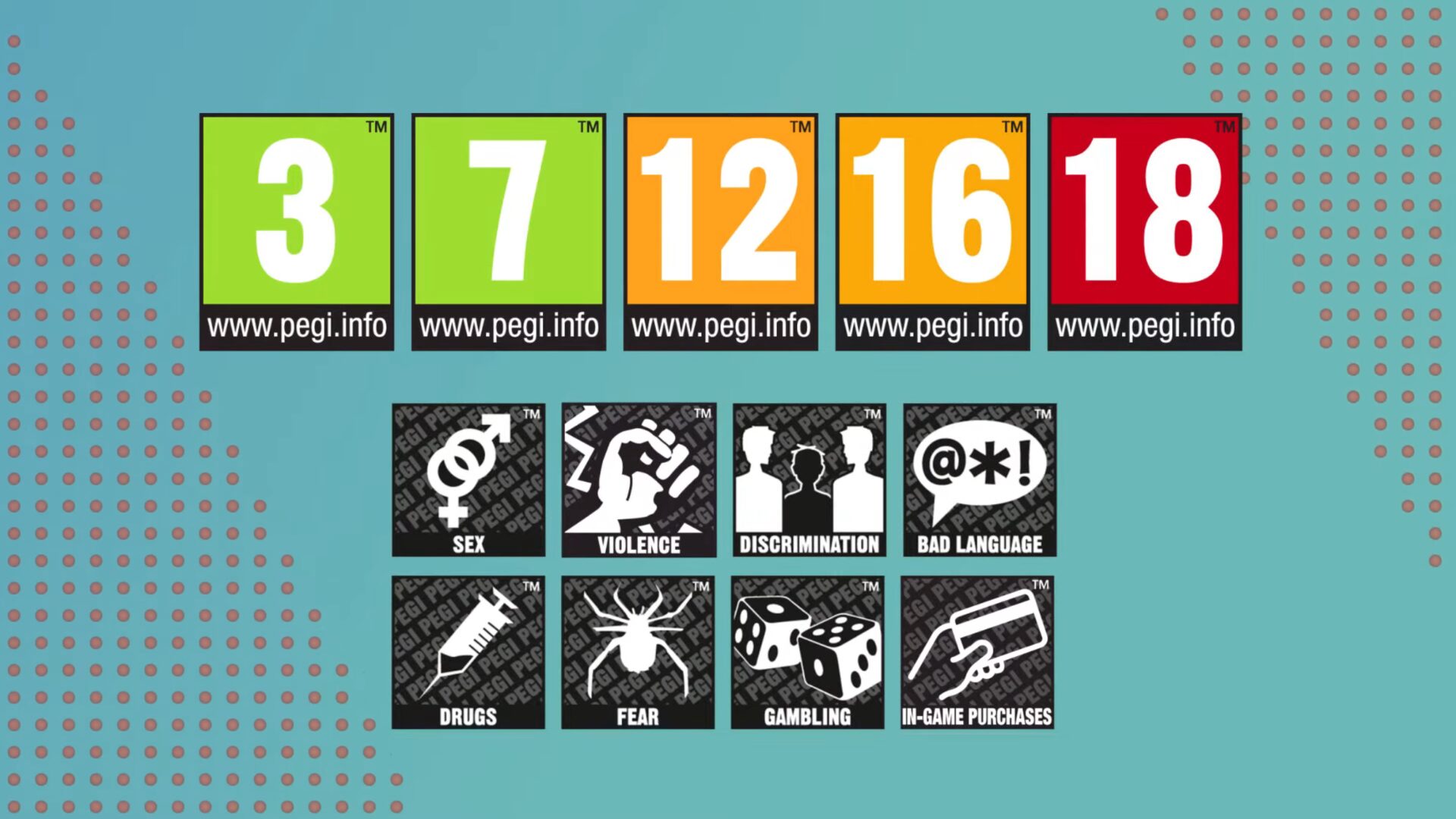
He explained: “There are plenty of games in the market, many of which are constantly being updated. We can’t keep checking all past games. But for the past seven years we have been tracking the presence of random purchases and payments in the game. We may have to make some very wise choices and then develop an action plan to deal with some of the existing products according to the new standards.” The PEGI rules were changed following the update of the German age rating system USK in 2023 to comply with the Youth Protection Act. “We actually worked closely with USK to ensure that we were consistent again. Because three years back, you can see that USK’s ratings are quite close to PEGI.” According to Bosmans, these changes are intended to enable parents to learn as much as possible about their children ‘ s experiences in the game. He explained, “We used to say that if the game was rated 16+, and you let 14-year-olds play, if you knew the game was 16+ but thought the child was mature enough, it was an informed decision. It’s completely different from, “I don’t know what this is, I don’t want to do it.” “I can imagine that in the next few months, some companies would say, “This is too much.” But I’d like to ask them to take a look at the situation we’re in today: Regulatory pressure on the one hand, and industry responsibility on the other, and how to find a way forward between them.”