The Dutch consumer protection organization Stichting Massaschade & Community Foundation formally instituted a class action against Sony PlayStation. On behalf of some 1.7 million Dutch PlayStation users, the Dutch Consumer Rights Protection Organization accused Sony of abusing the dominant market position of his host game, which, through the so-called “Soney Tax” artificially raised the price of digital games and downloads (DLC), resulted in consumers receiving about 435 million euros over the past 12 years.
This class action against Sony was first announced in February this year by the Dutch Consumer Rights Protection organization and is now officially served with a court summons. According to the organization’s latest press release, most Dutch PS players believe that in the latest PS5 generation, players were forced to move to a “pure digital version” mainframe.
According to the litigants, the digital host “can only run a digital version of the game and cannot use a physical CD-ROM”. More crucially, the economic studies commissioned to stop it show that consumers pay “on average 47 per cent higher than the actual version of the same game” for digital games and that PlayStation costs are actually lower. The press release also discussed allegations of Sony’s “monopolistic position in the field of digital sales”. Combined with PlayStation’s large share of the host market, this has led to the so-called “Soney Tax”, which has made players more expensive to consume on the host.

PS5 Pro provides only a digital version of the mainframe, with an additional $80 for optical version equipment
Dutch consumer rights protection claims that Sony used its share of about 80 per cent in the Dutch host game market to create a de facto digital game sales monopoly by limiting PS competitors. Consumers have no choice but to accept higher prices when buying a digital PS4/5 game. Push Square reported that the price of digital games on PS Store was generally higher than that of the real version, with premiums of more than 50 per cent for some games.
According to the organization, PlayStation “operates a closed ecosystem” and Sony holds the “right to life” of all businesses. Alternative shops are technically excluded from PlayStation, making it necessary for players to rely entirely on Sony when purchasing games. In the view of the organization, Sony’s report “Deprivation of Commercial Liberty for Developers” states that third-party developers and distributors “are bound by the contract and can only sell their games through PlayStation Store”. Sony also has the final decision on prices, which limits the developers ‘ freedom to set their own prices.
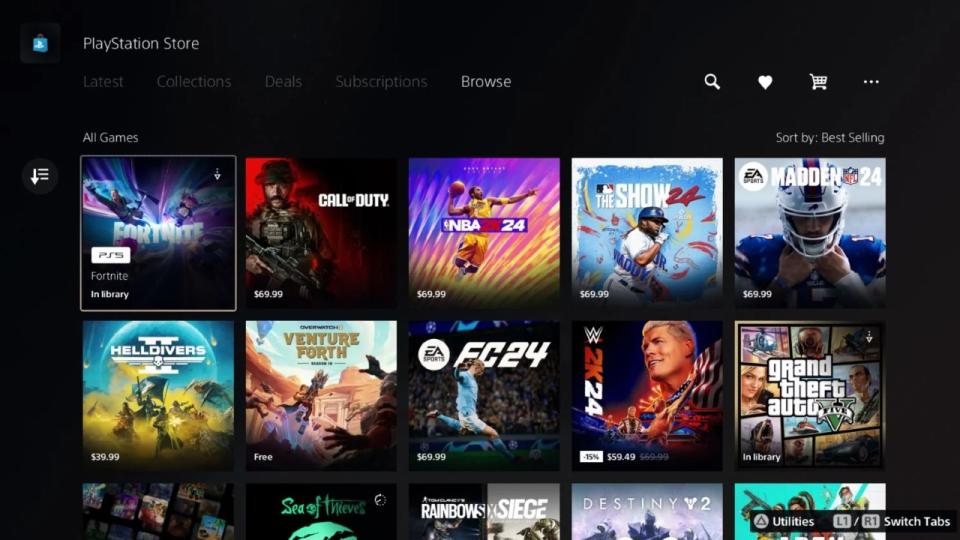
Since the beginning of the next generation, as processing costs rose, so did the host market, where Xbox announced a new-generation game price of $80. The price of the host game has been nuanced by the player, and the lawsuit is more reflective of the growing discontent in the digital game market.
If the Dutch Consumer Protection Organization wins, it may force Sony to adjust its global pricing strategy and promote a more transparent digital distribution market. In addition, consumer organizations in other countries and regions may follow suit and initiate similar litigation to further challenge the pricing power of the technology giant. For the player, this case could lead to more cost-effective digital game prices and more open purchase options. However, in the short term, PS Store ‘ s pricing model may not change immediately.
The first hearing of the class action against Sony PlayStation for pricing is expected later this year. The outcome of the case will be widely received by the game industry and consumer groups.