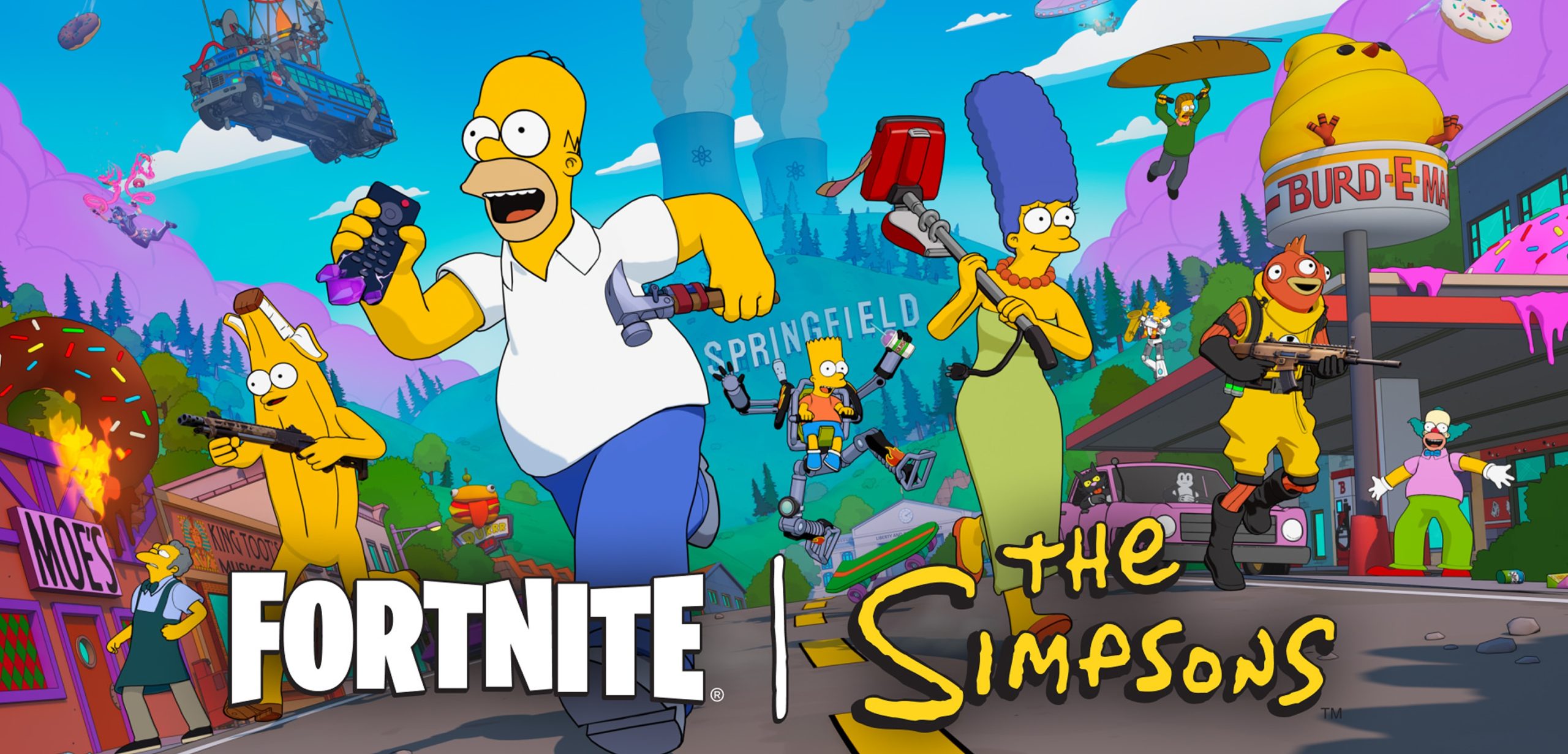
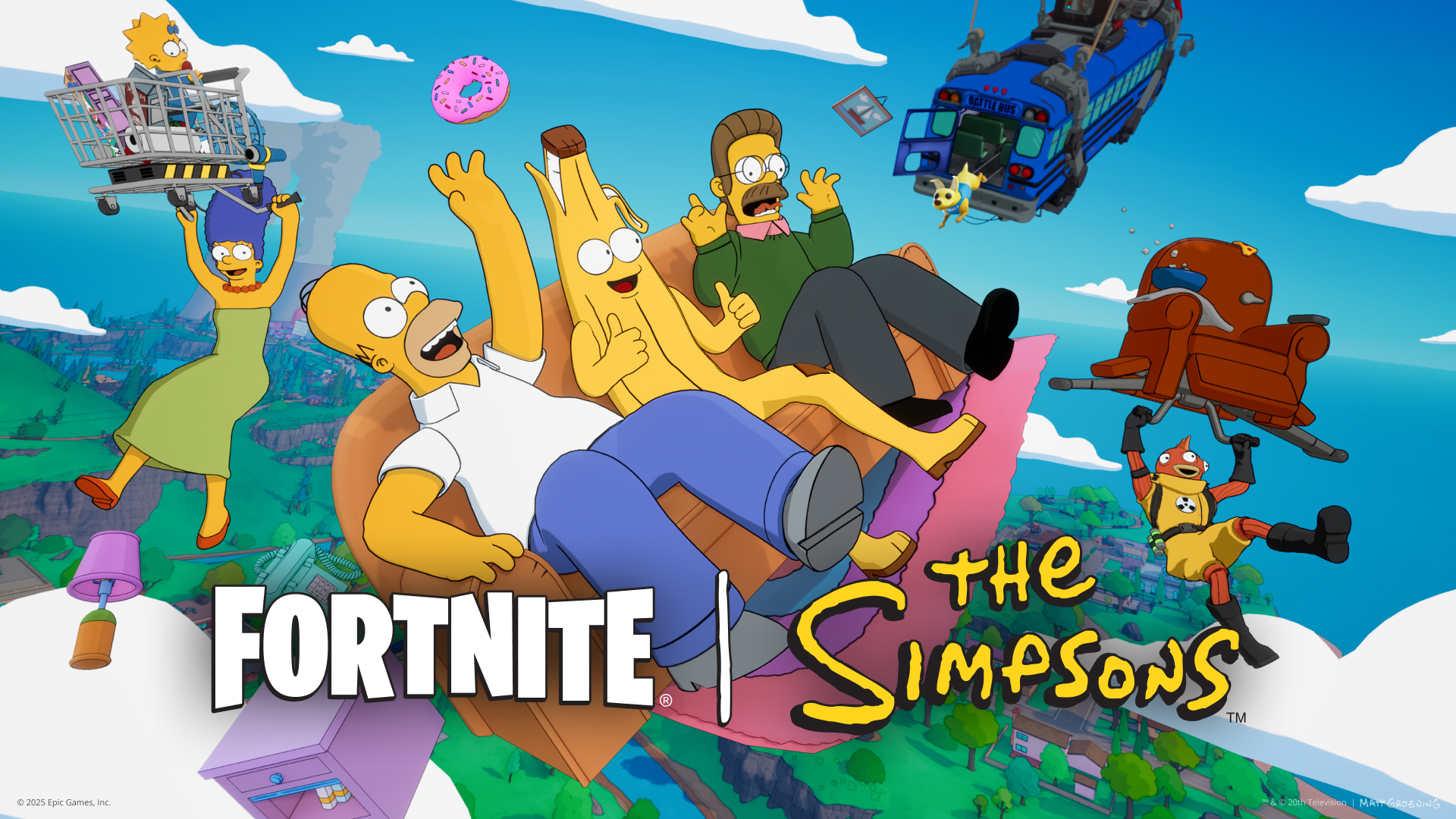
As the Epic Game game, Fort Night, got into controversy, it became clear that the free game was a problem around the globe. Following the increase in V-Bucks prices earlier this year, Epic Games lost more than 1,000 employees two days ago, citing the soaring cost of Fort Night and the decline in player participation. As a large number of staff left, the remaining developers warned that the rotation would have a dramatic impact on the future of the game in the coming years. The Fortress Night has become a cultural symbol of the game industry, both for good and for bad, since 2018, when it turned to a large-scale escape. Last year, the Simpsons joined the mini-season season to bring an unprecedented number of players to the game. It was a great deal of good, but experts warned that the “cultural boom” of the game was fading.
According to FRVR, Joost van Dreunen, an analyst and researcher in the game industry, argued that the recent downsizing of Fort Night was evidence of the “real-time collapse of United States cultural dominance in the field of interactive entertainment”. The number of players “more or less stagnant” in Fort Night over the past few years, combined with insufficient creativity, put the game at a disadvantage. According to Joost van Dreunen: “Last week, we painfully realized that the heat of Fort Night had finally begun to fade. In sharp contrast to the growing number of users among competitors such as Roblox, the number of active users of Fortress Night has stagnated for several years.” He explained that, despite the creation and acquisition of various game models, there was limited room for development. “You can play Darth Vader when you can’t dress him at will.” On the other hand, Roblox allows users to “create culture rather than consumer culture”. Because of its unstructured nature, Roblox can bring about “a richer expression”.

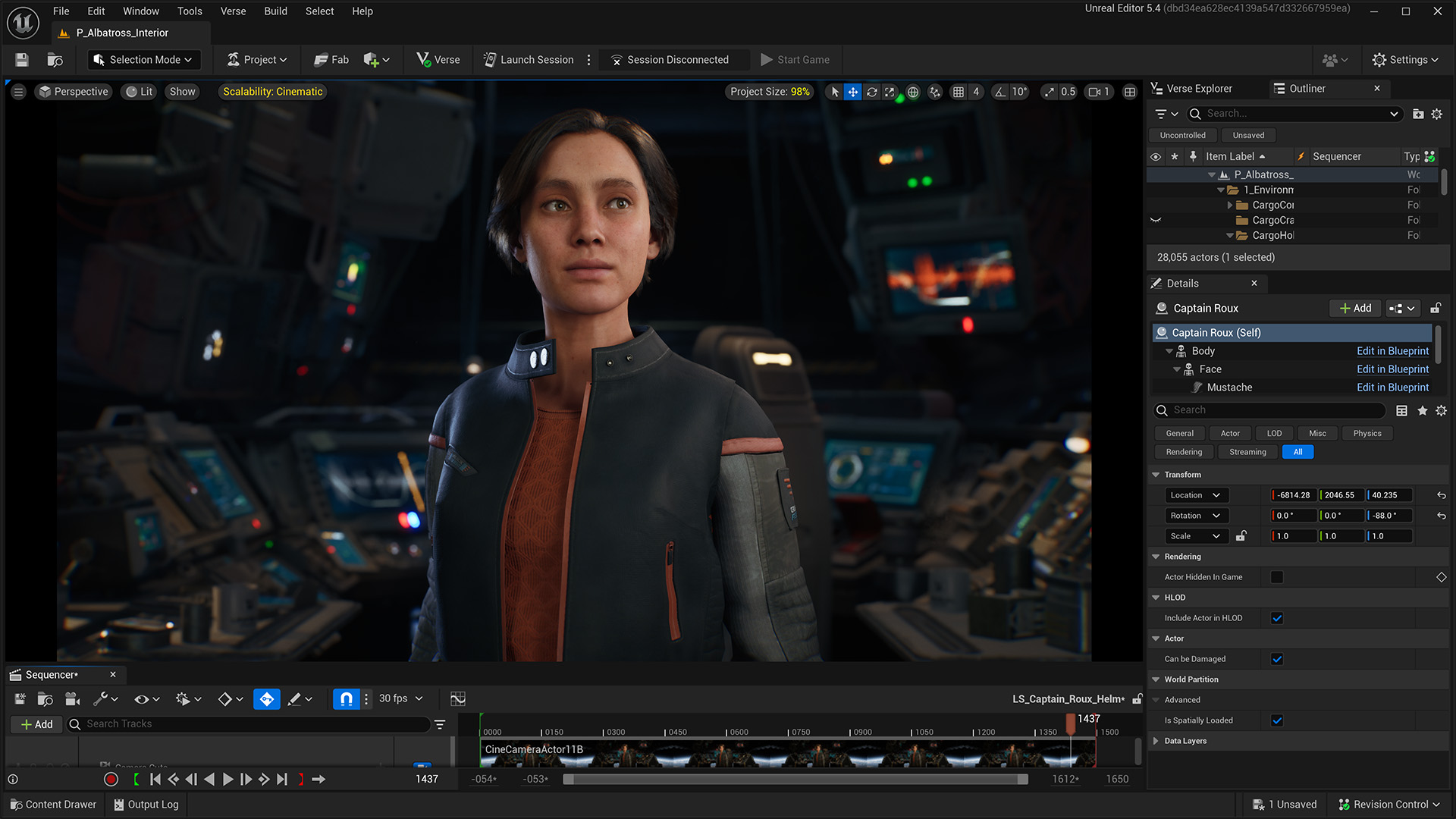
Joost van Dreunen stressed the struggle of Fortress Night, proving that the moment of culture was beginning to fade, especially when the major connection “did not bring about sustained growth of the user base”. In my view, Epic is not just a victim of the quarterly underperformance caused by the inactivity of time. It is the clearest example of how structural conditions make the recession inevitable. It turns out that the so-called `permanent game’ does not exist,” he adds. As for the future plans for Fortress Night, Epic seems to be redoubling its efforts to compete with Roblox through UEFN. As the official game mode closed, Epic’s plan focused on creating a complete experience for fans in digital platforms. Chief Executive Officer Tim Sweeney confirmed that the UEFN improvements were about to come so that fans could “better” reset the old game model than the studio. “Epic’s engine and tool team is being restructured to deliver as many useful features and Verse platform features as possible for the construction of a diverse and functional game,” Sweeney said. “At the time, the team had divided between the UE5 engine and the UEFN, and now all resources will be brought together.”
Despite this, the Fortress Night is now clearly in a recessionary phase, especially after the great loss of the game’s reputation this year. Any decline is accompanied by a new turn, and the studio may have a chance to get out of it, but it is clear that there is a long struggle ahead of the game.