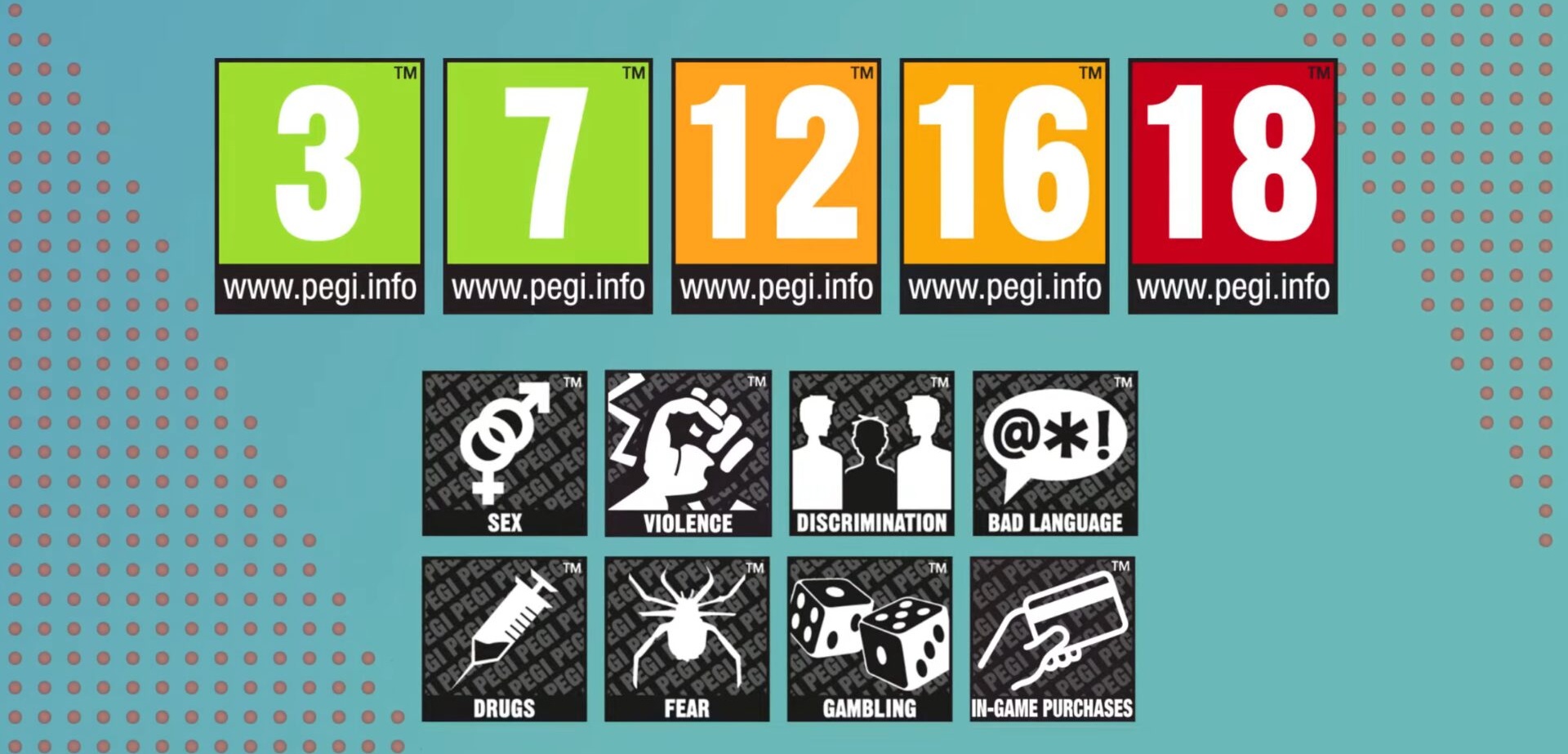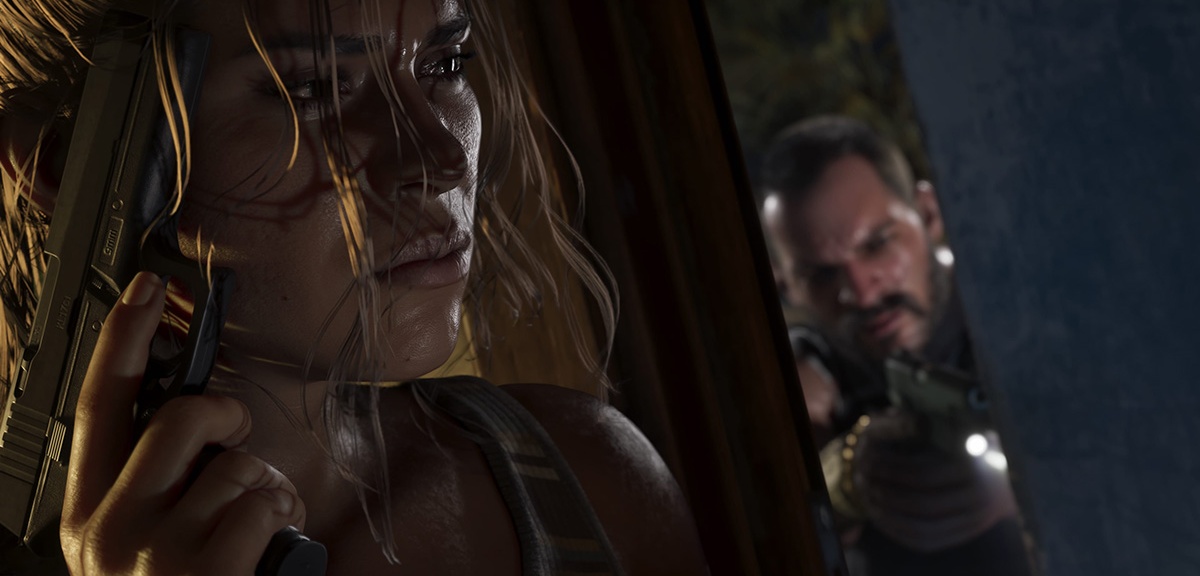
As part of the 2026 economic package, the Mexican Ministry of Finance has proposed an 8 per cent special production and service tax (IEPS) on video games with violent content. This measure will be applied to games with an adult rating, aimed at reducing youth ‘ s exposure to violence and funding the associated public health costs
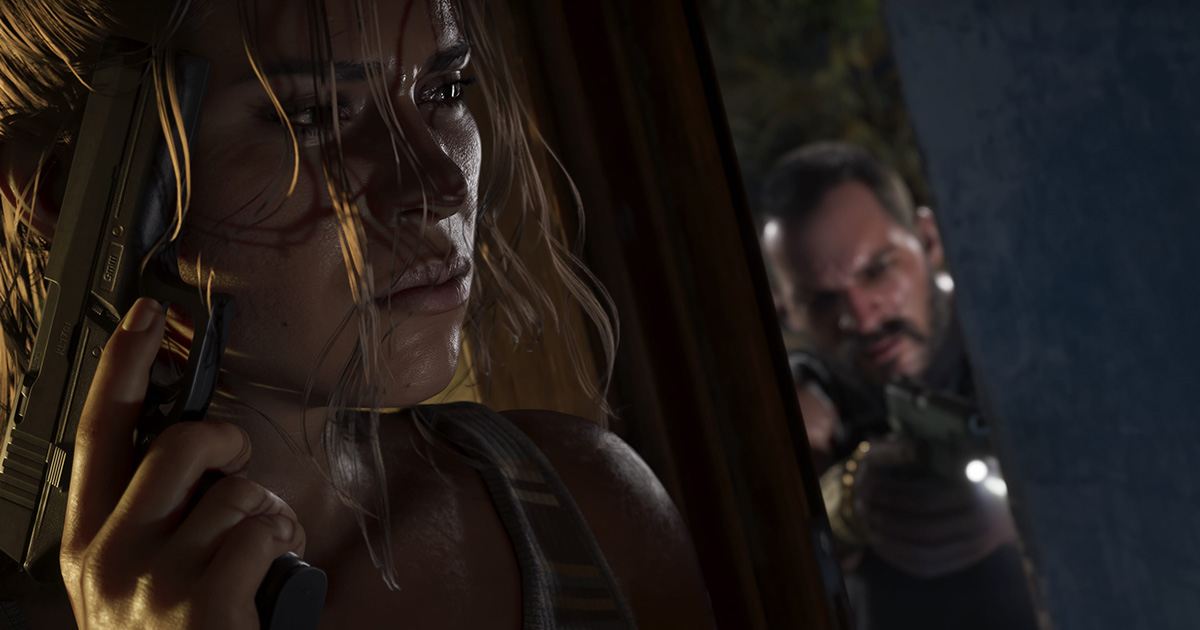
The Government of Mexico, which predicts that this measure will be able to raise 183 million Mexican pesos (approximately US$ 9.8 million) in the first year, emphasizes that the proposal does not “prohibit the purchase of games”, but rather “access resources to internalize the health costs associated with consumption”, reflecting its legislative intent to promote healthy consumption practices through non-financial purposes.
The proposal invokes the fear that violent games will affect the mental health of minors, noting that “there is a link between the use of violent video games and the increase in aggressive behaviour among adolescents, which may have negative psychosocial effects such as encouragement and anxiety”.

The tax policy will apply to the “C” (over 18) and “D” (adult only) games in the Mexican classification criteria. Elements considered inappropriate for minors include “the scenes of violent or persistent violence, bloody images, sexual or indecent content, swearing and genuine gambling”.
The tax covers both physical and digital distribution channels, including international suppliers with no permanent establishment in Mexico. For free games, 8 per cent of taxes apply only to in-play or microtrade. For subscription-based services such as Xbox Game Pass or PlayStation Plus, suppliers are required to share the tax in proportion to the taxable game; where no details are provided, 70 per cent of the total value of the subscription is presumed to be taxable.
The Digital Platform and Applied Store will act as a withholding duty, registered in the Federal Taxpayers Register and declared monthly to the Tax Administration. Violations may lead to penalties, including temporary blockage of access to services in Mexico.
The proposal targets markets dominated by action-related adventures, tactics and shooting-type games, and data from the competition intelligence unit show that four of Mexico ‘ s five most popular games since 2021 contain violence.
The launch of the proposal has already generated widespread criticism in the Mexican game industry, particularly in the independent play studio. The co-founder of Altered Ventures, Mario Valle, said: “The cost increases will be borne by consumers.” He warned that large manufacturers might pass on costs to users, but small studios would be under the greatest pressure to create competitive disadvantages. Mario Valle describes the tax as “a direct blow to Mexico’s fastest-growing and most promising industries”.
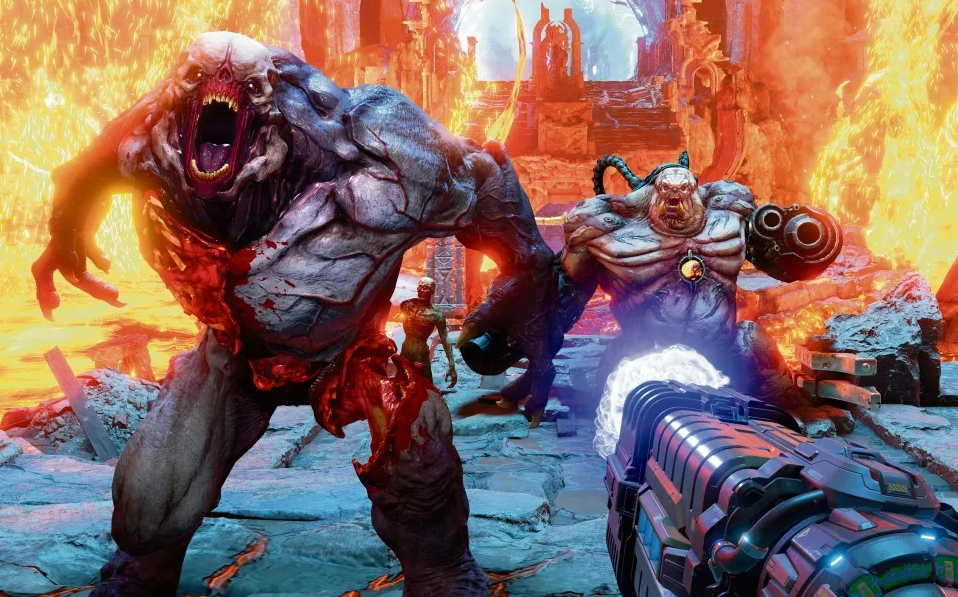
There has been a long-standing academic debate over whether or not a violent game could trigger a player ‘ s violence. The Government of Mexico highlighted the link between the two, citing the 2015 report of the American Psychological Association. However, recent studies, including Open Science of the Royal Society, have found no significant link between violent games and attacks. The psychologist’s analysis by Christopher Ferguson showed little relevance, and social factors such as domestic violence or poverty were more effective predictors of adolescent violence.
If passed, Mexico would be a global precedent. While other countries have explored regulatory measures, such tax policies are the first of their kind in the world. A similar 10 per cent tax proposal for Pennsylvania in the United States of America was not adopted, giving Mexico the prospect of becoming a new regulatory standard for the digital entertainment industry.